Loose CVD Diamonds and High-Performance Thermal Materials

The modern technological and jewelry landscapes have converged around a shared appreciation for laboratory-grown carbon crystals. Whether utilized as breathtaking centerpieces in bespoke engagement rings or as mission-critical heat sinks in advanced electronics, these engineered gemstones offer unmatched versatility. Navigating this fast-paced market requires an understanding of wholesale procurement channels, industrial specifications, and the fundamental material properties that separate these stones from traditional mined alternatives.

Sourcing and Curating loose cvd diamonds for the Retail Market

When retail jewelers, independent designers, and custom jewelry makers build their inventories, securing high-grade inventory is paramount. Rather than purchasing pre-set jewelry lines, many high-end brands prefer to acquire loose cvd diamonds to give clients absolute freedom in selecting custom mountings, prong designs, and carat proportions.

These unmounted stones are evaluated using the exact same rigorous gemological criteria as earth-mined diamonds—the Four Cs of Cut, Color, Clarity, and Carat. Because laboratory synthesis allows for exceptional control over the initial growth environment, buyers can consistently source stones in higher color and clarity grades without encountering the exorbitant premiums traditionally attached to rare mined equivalents. Leading B2B platforms provide access to certified parcels complete with laser-inscribed girdle numbers for immediate verification.

Partnering with an Established cvd lab grown diamond supplier

Establishing a dependable supply chain requires cultivating direct relationships with primary producers and trade distributors. Partnering with an experienced cvd lab grown diamond supplier ensures that retail operations receive consistent product availability, transparent grading documentation, and competitive wholesale pricing structures.
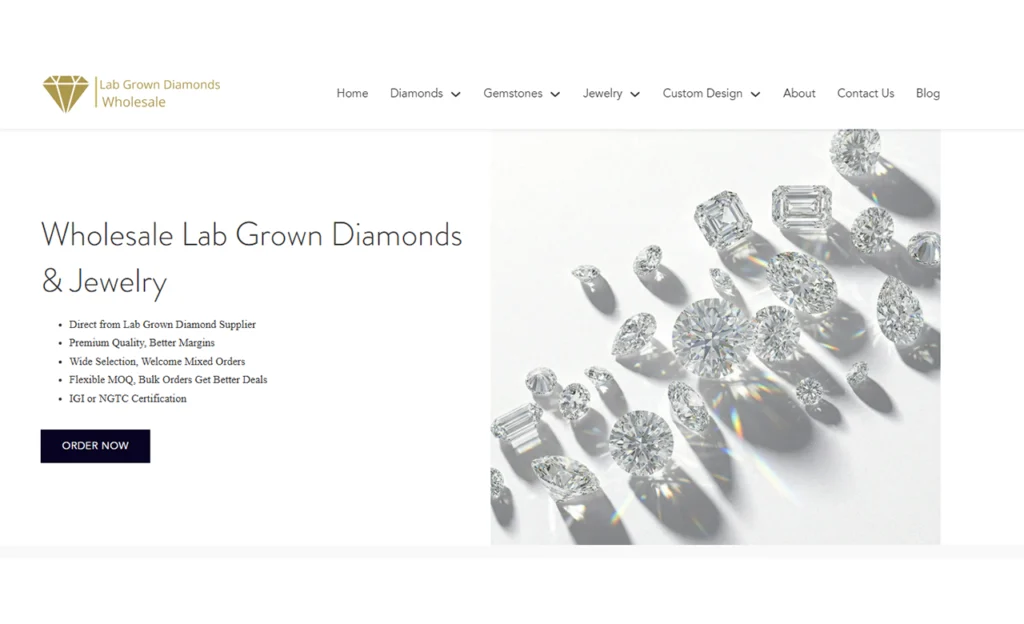
These suppliers manage extensive inventories ranging from tiny accent stones used in micro-pavé settings to massive multi-carat centerpieces. Furthermore, top-tier suppliers provide comprehensive certification reports from recognized international institutions like the GIA and IGI, giving retail partners and end consumers absolute confidence in the origin, ethical traceability, and structural integrity of every purchase.

Exceptional Thermal Management: Understanding the thermal conductivity of cvd diamond w/mk

Beyond the realm of fine jewelry, synthetic carbon crystals play an indispensable role in cutting-edge industrial engineering, thermal management, and semiconductor manufacturing. Engineers rely heavily on these materials because of their extraordinary ability to dissipate heat away from high-power electronic devices, laser diodes, and quantum computing processors.

When evaluating material performance, engineers look closely at the thermal conductivity of cvd diamond w/mk, which typically ranges between 1,000 to 2,200 W/mK at room temperature, with ultra-pure or isotopically modified samples exceeding 3,000 W/mK. To put this into perspective, diamond conducts heat roughly five times more efficiently than copper. Unlike metals—which rely on free-moving electrons to transfer thermal energy—diamond conducts heat through lattice vibrations, or phonons, moving swiftly across its rigid sp3 covalent carbon bonds. This exceptional heat transfer capability ensures that sensitive electronic components remain cool and functional even under extreme operational loads.

The Future Convergence of Luxury and Industry

The integration of advanced chemical vapor deposition techniques has created a dynamic bridge between high fashion and advanced industrial engineering. As synthesis technologies continue to improve, production costs decrease, and thermal performance benchmarks rise, the market for cultivated carbon crystals will only expand. By combining transparent retail sourcing for fine jewelry with high-performance thermal substrates for electronics, laboratory-grown diamonds represent a permanent pillar of modern innovation and sustainable design.
Advanced Methods for Distinguishing Laboratory-Grown from Mined Stones

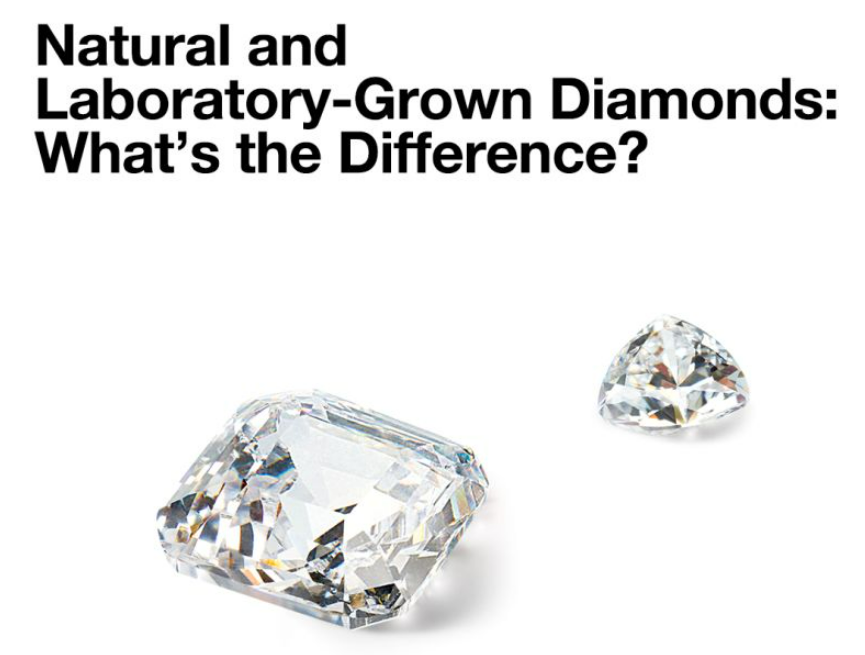
The rapid expansion of laboratory-grown gemstones has fundamentally reshaped the jewelry and high-tech industrial sectors. Because these cultivated crystals share the exact same physical, chemical, and optical properties as earth-mined stones, distinguishing between them requires advanced scientific knowledge and specialized analytical equipment. Understanding how to differentiate between cvd and natural diamond is crucial for gemologists, retail jewelers, and consumers alike who demand absolute transparency and precise grading accuracy.

The Underlying Science of Gemstone Growth

To appreciate why identification requires specialized tools, one must first examine how these stones form. Earth-mined diamonds crystallize deep within the mantle over billions of years under immense tectonic pressure, capturing irregular nitrogen impurity clusters classified under the Ia nitrogen group. Conversely, laboratory-grown variants are synthesized in controlled vacuum reactors using carbon gas deposition.

Because of this accelerated, cleanroom environment, most laboratory-grown stones belong to the Type IIa category, meaning they are chemically pure and virtually devoid of aggregated nitrogen. However, this chemical similarity means that standard visual inspection with a common jeweler’s loupe is entirely insufficient. A trained eye can spot minor indicators, but definitive proof requires looking deeper into the atomic structure.

Advanced Gemological Detection Techniques

Professional gemological laboratories employ sophisticated optical and spectroscopic instruments to reveal the hidden signatures of laboratory synthesis. Several primary methods are used to achieve absolute verification:

  • Photoluminescence (PL) Spectroscopy: This is one of the most definitive diagnostic tools. Laboratory-grown variants frequently exhibit specific optical defect centers, such as the silicon-vacancy (Si-V) doublet around 737 nm, which results from trace silicon interacting with plasma inside the reactor chamber.
  • Ultraviolet (UV) Fluorescence Imaging: When exposed to short-wave and long-wave UV light, stones display distinct luminescence patterns. While natural stones often show irregular, patchy blue fluorescence, laboratory-grown crystals frequently exhibit linear or striated growth structures with orange, red, or mottled blue patterns under specialized imaging systems.
  • Crossed Polarizers (Birefringence): Under polarized light, internal strain patterns emerge. Mined stones usually display a complex, irregular “tatami” strain pattern caused by uneven subterranean pressures, whereas cultivated stones often show linear or banded strain alignment reflecting the layered deposition process.

Sourcing Raw Materials: The Role of a Specialized cvd rough diamond supplier china

Beyond retail jewelry, a massive industrial market exists for unpolished, uncut carbon crystals used in precision machining, thermal management, quantum computing, and high-frequency electronics. Meeting this global demand requires robust supply chain networks capable of delivering high-purity substrates at scale.

A reliable cvd rough diamond supplier china provides international manufacturers and cutting centers with consistent batches of high-grade raw crystal plates. Chinese production facilities have emerged at the forefront of the global synthetic diamond industry, utilizing advanced microwave plasma chemical vapor deposition (MPCVD) reactors to cultivate large-size, high-clarity rough blocks. These industrial partners supply everything from microscopic seed plates for further growth to multi-carat thermal-grade windows and optical-grade blanks.

Ensuring Marketplace Integrity and Consumer Trust

As the secondary and primary markets continue to mature, maintaining consumer confidence depends on rigorous certification protocols. Major international gemological institutions, such as the Gemological Institute of America (GIA) and the International Gemological Institute (IGI), mandate microscopic laser inscriptions on the girdle of certified stones. These inscriptions correlate directly with digital certificates that explicitly state whether a gemstone is earth-mined or laboratory-grown.

By combining cutting-edge spectroscopic screening tools at the wholesale level with transparent disclosure practices at the retail counter, the industry ensures that buyers receive exactly what they pay for. Whether utilized as an enduring symbol of affection in an engagement ring or integrated as a high-performance heat sink in semiconductor hardware, understanding the origin and authentication of these remarkable carbon crystals guarantees a secure and vibrant marketplace for generations to come.

Exceptional Value and Brilliance of Cultivated Diamonds

The global fine jewelry and gemstone markets are undergoing a permanent structural evolution. For generations, acquiring a high-end diamond meant relying exclusively on earth-mined stones, which often carried steep ecological footprints, heavy geopolitical complexities, and opaque supply chains. Today, advanced scientific techniques have unlocked a sustainable, highly controlled alternative that matches natural stones in every physical, chemical, and optical dimension. At the center of this modern industrial revolution is Chemical Vapor Deposition (CVD), a sophisticated synthesis method that allows scientists to grow genuine carbon crystals atom by atom within high-tech vacuum chambers.

Understanding the Core Advantages of CVD Diamonds

When evaluating lab-grown gemstones against their mined counterparts, consumers and industry professionals frequently highlight several distinct operational and financial benefits. The most significant advantages of CVD diamonds include complete ethical traceability, superior optical purity, and substantial economic value. Because these stones are cultivated in controlled laboratory settings, they bypass the environmental degradation, soil erosion, and human labor concerns traditionally associated with large-scale mining operations.

Furthermore, these laboratory-grown gems are typically classified as Type IIa, meaning they contain virtually no measurable nitrogen impurities. This ultra-high chemical purity allows light to pass through the crystal lattice with minimal distortion, resulting in exceptional brilliance and fire. Because production cycles take only a few weeks rather than billions of years, manufacturers can maintain a steady, predictable supply stream that easily adapts to shifting market demands without straining natural ecosystems.

Unlocking Rare Splendor: The Allure of the cvd pink diamond

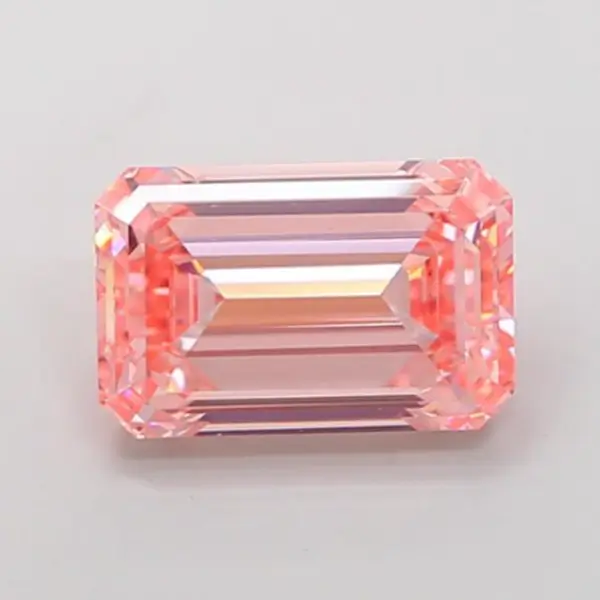
While colorless and near-colorless stones have dominated the market for decades, recent advancements in reactor engineering and trace-element integration have opened the door to breathtaking fancy colored gemstones. Among the most sought-after variations in modern luxury jewelry is the cvd pink diamond, prized for its romantic hue and extraordinary rarity in the lab-grown sector.

Creating these coveted colored stones requires meticulous precision during the growth cycle. Scientists introduce specific trace elements, such as nitrogen or boron, into the vacuum reactor or apply controlled post-growth annealing treatments. These atomic modifications create specific color centers within the crystal lattice that selectively absorb green and yellow light while allowing pink and red wavelengths to pass through. The result is a stunning, chemically authentic colored gem that delivers the exact same durability and optical fire as a natural fancy pink stone at a fraction of the cost.

Streamlining B2B Commerce and Inventory Acquisition

As the global demand for sustainable luxury continues to surge, retail brands and independent jewelers require reliable, high-volume inventory pipelines. Accessing competitive pricing structures relies heavily on establishing direct partnerships with primary production facilities. When enterprises look for wholesale cvd diamonds, they gain access to bulk parcels of certified loose stones sorted meticulously by cut, color, clarity, and carat weight.

These B2B networks provide jewelry designers with consistent inventory availability, customizable size dimensions, and full certification documentation from recognized authorities like the GIA and IGI. By securing bulk inventory through streamlined trade channels, boutique owners and major retail chains can scale their custom engagement ring collections and high-end fashion lines efficiently while maintaining healthy profit margins.

The Digital Transformation of Retail Purchasing

The modern consumer and trade buyer expect absolute convenience, transparency, and speed when selecting fine jewelry. Sourcing high-end gemstones no longer requires physical travel to traditional wholesale diamond districts. Instead, tech-savvy buyers can easily research, evaluate, and buy cvd diamonds online through interactive e-commerce platforms and specialized B2B portals.

These digital storefronts provide high-resolution 360-degree videos, magnified inclusion mapping, and instant certification verification directly on the screen. Online buyers can compare proportions, fluorescence grades, and pricing metrics side-by-side from the comfort of their homes or corporate offices. This digital transparency empowers consumers to make fully informed decisions based on their exact budget and aesthetic preferences, completely transforming the traditional jewelry-buying experience.

The Future of Sustainable Luxury

The rapid maturation of carbon crystal synthesis has permanently redefined what luxury means in the twenty-first century. By combining advanced plasma physics with rigorous corporate governance and digital accessibility, the laboratory-grown gemstone industry offers a brilliant path forward. Whether utilized as breathtaking centerpieces in bespoke engagement rings or as high-performance thermal substrates in advanced electronics, these cultivated marvels represent the pinnacle of human ingenuity and sustainable design.

The Digital and Industrial Transformation of the Global Lab-Grown Diamond Sector

The global luxury marketplace is experiencing a profound shift, driven by scientific innovation, changing consumer priorities, and an increased demand for supply chain transparency. For generations, fine jewelry buyers had little choice but to purchase earth-mined stones, accepting heavy environmental disturbances and complex international distribution networks as the price of luxury. Today, advanced physical synthesis has unlocked a revolutionary alternative. Cultivated inside highly sophisticated technical facilities, these laboratory-grown gemstones match mined stones in every single optical, physical, and chemical characteristic while offering complete ethical peace of mind.

Inside the Production Ecosystem: The Role of a Specialized cvd diamond factory

The journey of any laboratory-grown gemstone begins in an intensely controlled industrial environment. A modern cvd diamond factory resembles a high-tech semiconductor fabrication plant rather than a traditional manufacturing workshop. Within these sterile facilities, technicians utilize advanced microwave plasma chemical vapor deposition reactors to cultivate pure carbon crystals from gas mixtures.

Inside these sealed vacuum vessels, diamond seed plates are subjected to precise thermal fields and ionized hydrocarbon gases, typically combining methane and hydrogen. Over several weeks of continuous atomic layering, raw rough crystal blocks emerge from the reactors. These production plants must maintain rigid parameters regarding gas purity, thermal stability, and chamber pressure to ensure that the resulting rough stones achieve exceptional clarity and minimal structural defects before moving on to cutting and grading.

Scaling Industrial Output and Global Supply Chains

Behind the scenes of retail storefronts, the macro-level production network is driven by elite enterprise-level producers. Prominent cvd lab grown diamond manufacturers invest heavily in automation, energy efficiency, and scalable reactor arrays to meet the soaring worldwide demand for sustainable gems. These large-scale producers continuously refine seed preparation and plasma containment techniques, successfully driving down per-carat production costs while simultaneously scaling up maximum achievable sizes and fancy color variations.

As these manufacturing capabilities expand across key economic hubs in Asia, North America, and Europe, the wholesale market has transformed. Bulk buyers and independent jewelry brands rely on predictable output streams from these primary production houses to stock their inventories. This industrial scaling ensures that retail partners receive consistent, high-grade supplies that comply with stringent international gemological grading standards, laying a solid foundation for the entire downstream jewelry trade.

B2B Sourcing and the Role of the Primary cvd diamond dealer

Once rough stones are harvested and faceted by master cutters, they enter a vast network of international commerce. A reliable cvd diamond dealer acts as a crucial bridge between industrial production plants and downstream retail brands or custom jewelry designers. These specialized intermediaries curate extensive inventories of certified loose stones, grading them meticulously by cut, color, clarity, and carat weight.

Working closely with global B2B networks, these distributors provide jewelry manufacturers and independent boutique owners with transparent pricing structures and reliable certification documentation from recognized authorities like the GIA and IGI. By maintaining diverse inventories ranging from micro-pavé accents to massive multi-carat centerpieces, these trade partners ensure that retail brands can seamlessly fulfill bespoke client requests without facing inventory bottlenecks.

The Digital Shift: Browsing and Purchasing via cvd diamond online platforms

The retail landscape has adapted rapidly to accommodate tech-savvy consumers and modern B2B buyers who prefer digital efficiency. Today, sourcing high-end gemstones no longer requires physical travel to traditional diamond districts. Instead, buyers can easily evaluate and purchase cvd diamond online through interactive web portals and specialized mobile applications.

These digital marketplaces offer high-resolution 360-degree videos, magnified inclusion maps, and laser-inscribed certification reports directly on the screen. E-commerce platforms empower individual consumers to compare optical brilliance, proportions, and pricing parameters side-by-side from the comfort of their homes. For trade professionals, these cloud-based inventory systems streamline global purchasing, enabling instant B2B transactions with secure escrow services and expedited international shipping.

Keeping Pace with Industry Shifts: Analyzing Recent cvd diamond news

Staying informed in a fast-moving market requires close attention to ongoing technological breakthroughs and regulatory updates. Recent cvd diamond news frequently highlights advancements in quantum computing applications, high-power semiconductor thermal management substrates, and new breakthroughs in optical-grade diamond window manufacturing. Beyond the jewelry sector, engineers increasingly rely on these ultra-pure carbon crystals for high-frequency electronics and precision cutting tools.

As research institutions and commercial enterprises continue to push the boundaries of what is possible in vacuum reactor engineering, the future of the market remains exceptionally bright. The seamless integration of sustainable manufacturing, digital retail accessibility, and high-tech industrial utility guarantees that laboratory-grown carbon crystals will continue to redefine modern luxury and technology for decades to come.

The Complete Guide to the CVD Diamond Making Process and Quality

The gemological world has undergone a quiet revolution over the past few decades. For centuries, unearthing a diamond meant disturbing the earth, relying on traditional mining operations that carried heavy environmental and social costs. Today, however, human ingenuity has successfully replicated nature’s most intense geological processes inside controlled laboratory environments. Among the primary methods for creating these modern gemstones is the Chemical Vapor Deposition technique. Understanding this innovation requires a deep dive into the science, the industry leaders, the physical properties, and the microscopic imperfections that make every stone unique.

The Genesis of Modern Gemstones: The CVD Diamond Making Process

To truly appreciate modern laboratory-grown gemstones, one must examine how they come into being. The cvd diamond making process is a marvel of advanced materials science and engineering. Unlike the extreme high-pressure, high-temperature method that mimics the deep mantle of the Earth, this technique utilizes a gas-phase chemical reaction.

The procedure begins inside a specialized vacuum chamber. Technicians place a tiny slice of a diamond seed—often a laser-cut sliver of another diamond—into the reactor. The chamber is then sealed and heated to temperatures typically hovering around 800 to 1,000 degrees Celsius. Next, hydrocarbon gases, usually a mixture of methane and hydrogen, are pumped into the chamber.

Energy is introduced into the system, often via microwave radiation or a hot filament, which ionizes the gas mixture into a glowing plasma ball. This plasma breaks down the molecular bonds of the gases, releasing pure carbon atoms. These free carbon atoms rain down gently onto the cooler diamond seed below. Layer by layer, atom by atom, the carbon lattice builds upon the seed, growing a crystal upwards in a columnar fashion. Over the course of several weeks, a flat, brownish or yellowish crystalline plate forms, ready to be cut and polished into a brilliant gem.

Industry Pioneers and Commercial Scaling

As consumer demand for ethically sourced and environmentally sustainable luxury goods rises, the commercial landscape surrounding these gemstones has expanded rapidly. A prominent player in this space is the cvd diamond corporation, representing the institutional push toward industrializing high-purity carbon synthesis. These entities do not merely supply the jewelry market; they also provide critical components for high-tech industrial applications, electronics, and precision cutting tools.

The commercialization of laboratory-grown gems has shifted the paradigm of luxury. Consumers no longer have to compromise their ethical values to acquire a symbol of affection or commitment. Furthermore, technological refinements allow companies to scale production efficiently, driving down costs while simultaneously improving the optical and structural quality of the output. These firms utilize advanced spectroscopic analysis to monitor growth rates and ensure structural integrity from the very first day of cultivation to the final faceted product.

Unmatched Durability: Evaluating CVD Diamond Hardness

One of the most frequently asked questions regarding laboratory-grown gems pertains to their durability. Skeptics often wonder if a stone cultivated in a laboratory can truly match the resilience of a natural one. The answer lies in atomic physics.

When measuring cvd diamond hardness, scientists rely on the Mohs scale of mineral hardness, where diamond reigns supreme at the absolute maximum rating of 10. Because laboratory-grown variants share the exact same crystalline lattice structure—a tetrahedral arrangement of carbon atoms bonded tightly by covalent bonds—they possess identical physical resilience to their mined counterparts.

On the Vickers hardness scale, which measures material indentation resistance under a load, these stones score between 7000 and 10000 kgf/mm². This means a laboratory-grown stone can only be scratched by another diamond. It withstands daily wear and tear identically to an earth-mined stone, making it an exceptional choice for engagement rings and heirloom pieces meant to last multiple lifetimes.

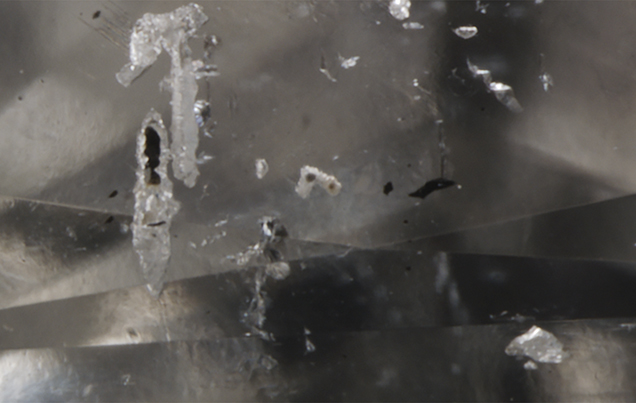
Microscopic Realities: Understanding CVD Diamond Inclusions

No gemstone on Earth is completely flawless, and laboratory-grown variants are no exception. While they grow in controlled environments, microscopic anomalies can still occur during the carbon deposition phase. Identifying cvd diamond inclusions is a critical part of gemological grading and quality control.

Because of the unique way these stones grow layer by layer from a seed, their internal characteristics often differ slightly from natural stones. Common internal features include:

  • Metallic Inclusions: Tiny microscopic particles of the metals used in the growth or cutting process can occasionally become trapped inside the crystal lattice.
  • Grains and Striations: Faint internal grain lines may appear, reflecting the directional growth of the carbon atoms as they settled onto the seed plate.
  • Pinpoints and Clouds: Clusters of tiny non-diamond carbon micro-particles can form miniature clouds within the body of the gem.
  • Striae: Faint internal strain lines visible under specialized cross-polarized light due to localized stress during rapid carbon accumulation.

Despite these potential features, post-growth treatments, such as high-pressure high-temperature annealing, are frequently employed to optimize color and reduce the visibility of these internal characteristics. Gemological laboratories like the GIA and IGI grade these stones using the exact same Four Cs—Cut, Color, Clarity, and Carat—applied to natural diamonds, ensuring complete transparency for the buyer.

The Future of Sustainable Luxury and Technology

The evolution of carbon synthesis technology has permanently altered the global gemstone and industrial sectors. What started as an experimental physics pursuit has blossomed into a multi-billion-dollar global industry. By marrying advanced plasma physics with precise chemical engineering, modern laboratories can produce stones of astonishing clarity, size, and brilliance without disturbing a single acre of topsoil.

As techniques continue to advance, the distinction between natural and laboratory-grown stones becomes purely a matter of origin rather than quality. Whether utilized as a breathtaking centerpiece in a bespoke piece of fine jewelry or deployed as a thermal sink in high-powered quantum computing processors, these manufactured marvels represent the pinnacle of human scientific achievement. The journey from a simple flask of methane gas to a sparkling, eternal symbol of love is a testament to what humanity can accomplish when we harness the fundamental building blocks of the universe.

Decoding Lab Diamonds: From cvd diamond supplier factory to Certification and Testing

The diamond industry has undergone a massive transformation over the past decade. What was once an exclusive market dominated entirely by mined stones has been reshaped by technological advancements, environmental consciousness, and consumer demand for ethical alternatives. At the forefront of this revolution are lab-grown diamonds, created through advanced scientific processes that replicate the natural conditions deep within the Earth. Among these, Chemical Vapor Deposition diamonds have emerged as the gold standard for high-clarity, ethical, and cost-effective fine jewelry.

Whether you are looking to purchase an engagement ring, invest in fine jewelry, or simply satisfy your curiosity about modern gemology, understanding the intricacies of these stones is essential. From sourcing them directly from a

Understanding CVD Diamonds: How They Are Made

Chemical Vapor Deposition is one of the two primary methods used to grow diamonds in a laboratory setting, the other being High-Pressure High-Temperature. While HPHT attempts to mimic the extreme pressure found deep in the Earth’s mantle, the CVD method utilizes a technology similar to semiconductor manufacturing.

The process begins with a thin slice of diamond seed, which is typically an HPHT-produced diamond slice. This seed is placed inside a sealed vacuum chamber that is heated to extreme temperatures, often around 800 to 1,000 degrees Celsius. The chamber is then filled with carbon-rich gases, usually a mixture of methane and hydrogen.

Energy, often in the form of microwaves or laser beams, is introduced to ionize the gases into a plasma. This ionization causes the molecular bonds of the gases to break apart. Pure carbon atoms then rain down onto the cooler diamond seed, bonding layer by layer. Over the span of a few weeks, the carbon atoms crystallize into a full-sized, rough diamond crystal. Once harvested, this rough stone is cut and polished by master artisans using the exact same geometric techniques applied to mined diamonds.

Sourcing and Economics: Working with a CVD Diamond Supplier Factory

For businesses, retailers, and high-volume buyers, navigating the supply chain is critical to profitability. Bypassing traditional middlemen by sourcing directly from a specialized cvd diamond supplier factory ensures access to competitive wholesale pricing, consistent inventory, and customized stone specifications.

Direct factory sourcing offers several distinct advantages:

  • Customization: Buyers can request specific color grades (from colorless D-F to fancy colors like pink, yellow, and blue), clarity grades (VVS to SI), and exact carat weights or cuts.
  • Traceability: Direct partnerships with manufacturers guarantee conflict-free origins and transparent labor practices.
  • Scalability: Factories can provide a steady supply of calibrated stones for mass-market jewelry manufacturing or large-scale retail collections.
  • Cost Efficiency: Eliminating third-party brokers reduces overhead costs, allowing businesses to pass significant savings onto the end consumer.

Pricing Dynamics: What Determines the Cost of CVD Diamonds?

One of the most attractive aspects of lab-grown stones is their affordability compared to mined counterparts. When evaluating the cost of cvd diamond jewelry, consumers often find they can purchase a stone that is 30% to 50% larger or of significantly higher quality for the same budget.

However, lab-grown diamonds are not all priced equally. Their market value is determined by the standard 4Cs framework established by the Gemological Institute of America:

  1. Carat Weight: Larger stones require longer growth cycles and larger chamber capacities, exponentially increasing production costs. Consequently, price per carat increases significantly as weight milestones (such as 1 carat, 2 carats, and 3 carats) are crossed.
  2. Clarity: While CVD technology produces exceptionally clean stones, inclusions can still occur during the growth process, such as microscopic graphite particles or cloudiness. Stones with higher clarity command higher prices.
  3. Color: Colorless stones (graded D, E, or F) are more challenging to produce consistently, making them more expensive than near-colorless (G-J) stones.
  4. Cut: The cut grade dictates how well a diamond interacts with light. An ideal cut maximizes brilliance and fire, requiring precision craftsmanship that influences the final price tag.

Furthermore, post-growth treatments can impact pricing. Some stones require secondary HPHT processing to reduce brownish tints and improve color grades. Untreated, “as-grown” fancy white or near-colorless CVD diamonds often command a premium among discerning buyers.

The Importance of Grading Reports: CVD Diamond Certificate

Just like mined diamonds, high-quality lab-grown diamonds are accompanied by professional grading documentation. Securing a trusted cvd diamond certificate is vital for consumer confidence, insurance appraisal, and resale value.

Reputable gemological laboratories—such as the Gemological Institute of America, the International Gemological Institute, and the Antwerp World Diamond Center—issue detailed reports specifically for lab-grown stones. These certificates explicitly state that the diamond is laboratory-grown and map out its exact 4Cs characteristics.

Crucially, modern certificates often use laser inscription technology to engrave the diamond’s unique report number directly onto its girdle. This microscopic inscription can be viewed under a jeweler’s loupe, ensuring that the physical stone matches the accompanying paperwork and protecting buyers against fraud.

Evaluating Quality: What Defines the Best CVD Diamond?

Identifying the best cvd diamond involves looking beyond basic grading charts to assess optical performance and structural integrity. Because lab-grown technology is advancing rapidly, newer generation reactors produce stones with breathtaking visual appeal.

When selecting top-tier stones, experts look for specific indicators:

  • Optical Transparency: Premium CVD diamonds exhibit exceptional transparency with zero strain patterns or internal haziness, which can sometimes plague lower-quality laboratory stones.
  • Proportions and Symmetry: Excellent or Ideal cut grades ensure optimal light return, preventing light from leaking through the bottom or sides of the diamond.
  • Strain-Free Growth: Advanced growers carefully manage gas ratios to minimize internal residual stress during the plasma deposition phase, resulting in a cleaner crystal lattice.

Verification: Can CVD Pass Diamond Tester?

A common question among consumers and prospective buyers is whether laboratory-created stones can fool basic verification tools. The short answer is nuanced, depending entirely on the type of device being used.

Thermal conductivity testers are the most common handheld devices used by pawnbrokers and jewelry stores. Because CVD diamonds are chemically, physically, and optically identical to mined diamonds—consisting of pure crystallized carbon—they share the exact same thermal properties. Therefore, can cvd pass diamond tester devices based on thermal conductivity? Yes, absolutely. A standard thermal probe will register a CVD diamond as a genuine diamond every single time.

However, distinguishing between mined and lab-grown stones requires advanced equipment. Specialized gemological screening devices—such as UV fluorescence viewers, photoluminescence spectrometers, and advanced spectroscopic instruments—can easily detect the subtle growth anomalies, trace elements, or strain patterns unique to laboratory environments. These professional tools ensure that transparency is maintained throughout the jewelry trade.

Conclusion

The rise of Chemical Vapor Deposition diamonds marks a paradigm shift in how society views luxury, technology, and sustainability. By offering identical physical brilliance to mined diamonds at a fraction of the cost, these stones have democratized high-end jewelry. Whether you are navigating the market through a manufacturing lens, analyzing market pricing, or verifying a certificate, understanding the science and economics of these modern gems empowers you to make informed, confident choices in the ever-evolving diamond market.

the Intersection of Lab-Grown Gems and Luxury Horology

The luxury watch industry has historically been defined by tradition, rarity, and a deep reverence for the Earth’s natural treasures. For centuries, the ultimate status symbol on a timepiece was a bezel encrusted with mined diamonds—gems formed deep within the Earth over billions of years. However, the 21st century has introduced a paradigm shift. Today, consumers and master watchmakers alike are looking toward technological innovation for both ethical and environmental solutions. At the forefront of this movement is the chemical vapor deposition process, which has fundamentally transformed the gem and watch sectors.

Understanding the Modern Gem Innovation

To appreciate how modern timepieces incorporate these brilliant stones, it helps to understand how they are created. Unlike traditional mining, which carries a heavy environmental footprint and ethical concerns regarding labor, laboratory creation replicates the Earth’s natural geological process in a controlled environment.

The two primary methods for creating gems in a laboratory are High Pressure High Temperature (HPHT) and Chemical Vapor Deposition (CVD). While HPHT has been used for decades, the CVD method has gained immense popularity in recent years due to its ability to produce exceptionally pure, high-clarity stones with remarkable efficiency. In a CVD reactor, a hydrocarbon gas mixture is heated into a plasma, causing carbon atoms to slowly accumulate on a diamond substrate layer by layer. This technique allows manufacturers to tailor the growth process, resulting in stones that are physically, chemically, and optically identical to their mined counterparts.

The Evolution of the cvd diamond watch

As the technology behind laboratory-grown gems matured, high-end watchmakers began to take notice. Initially, the luxury watch market was hesitant to embrace synthetic stones, fearing they would dilute the prestige associated with natural rarities. However, shifting consumer values—particularly among younger generations who prioritize sustainability, ethical sourcing, and transparency—forced a major reevaluation.

Today, a cvd diamond watch is no longer a novelty or a budget alternative; it is a conscious choice made by discerning collectors and forward-thinking brands. Independent watchmakers and major luxury houses alike are incorporating laboratory-grown stones into their high-complication and jewelry watch collections. These timepieces offer the exact same fire, brilliance, and hardness (scoring a 10 on the Mohs scale) as mined diamonds, but with a drastically reduced carbon footprint and guaranteed conflict-free origins.

Furthermore, the versatility of laboratory creation allows designers to source uniform color grades and precise sizes with greater ease, enabling complex invisibly-set dials and bezels that were previously difficult to manufacture due to supply constraints of natural stones.

Economic Impact and Industry Growth

The broader commercial landscape has shifted dramatically to accommodate this new wave of jewelry and timepieces. The cvd diamond market has experienced exponential growth, driven by advances in manufacturing technology, falling production costs, and skyrocketing consumer demand for sustainable luxury goods.

Industry analysts note that laboratory-grown stones have captured a significant share of the global diamond jewelry and luxury accessories market. What started as a niche industrial application—using carbon crystals for cutting tools and semiconductors—has blossomed into a multi-billion-dollar consumer industry. Traditional diamond mining giants, once dismissive of the lab-grown sector, have launched their own lines or invested heavily in synthesis technology to capture market share.

This democratization of luxury has also altered pricing structures. While high-end watches retain their value based on brand heritage, mechanical complexity, and craftsmanship, the transparent pricing of laboratory-grown gems has made diamond-set luxury more accessible without compromising on ethical integrity or visual splendor.

Ensuring Authenticity and Consumer Confidence

With the rapid expansion of laboratory-grown stones in both jewelry and horology, a critical challenge emerged: how to distinguish them from natural diamonds, and how to verify the identity of melee stones (tiny diamonds used in watch pavements) quickly and accurately. Because laboratory-grown and mined stones are optically identical, the naked eye cannot tell them apart.

This challenge spurred a technological arms race in gemology, leading to the development of the advanced cvd diamond checking machine. These verification devices are essential tools for pawnshops, luxury watch dealers, gemological laboratories, and watch manufacturing service centers. Utilizing advanced spectroscopy, ultraviolet (UV) fluorescence, or photoluminescence imaging, a specialized checking machine can detect the microscopic growth defects, nitrogen impurity patterns, or strain lines characteristic of laboratory-grown stones within seconds.

For the watch industry, these verification tools are indispensable. As watchmakers mix or service high-end timepieces, authenticating every single micro-stone on a pavé-set dial ensures transparency, protects against fraud, and maintains consumer trust. Whether a collector is buying a vintage piece or a modern sustainable timepiece, verification technology ensures absolute clarity in the marketplace.

The Road Ahead for Sustainable Timepieces

The intersection of advanced material science and traditional watchmaking represents a fascinating chapter in human ingenuity. The integration of laboratory-grown gems into horology proves that luxury and sustainability do not have to be mutually exclusive.

As technology continues to improve, the energy efficiency of manufacturing processes will increase, further reducing the environmental impact of these brilliant stones. For watch enthusiasts, the ability to wear a breathtaking, flawlessly crafted timepiece that honors both high artistry and ecological responsibility is the ultimate luxury of the modern era. The future of horology is not just about keeping time—it is about respecting the world in which that time is measured.

The Scientific and Ethical Rise of Laboratory-Grown Diamonds

The landscape of the contemporary fine jewelry industry is undergoing a seismic shift, driven by a convergence of scientific advancement, evolving consumer values, and a newfound appetite for sustainable luxury. For decades, the diamond industry was defined by its reliance on natural, Earth-mined stones—a resource-heavy, ethically complex, and geographically concentrated business. Today, however, the rise of lab-grown diamonds, particularly those produced through Chemical Vapor Deposition (CVD), is fundamentally rewriting the narrative of what it means to own, wear, and value a diamond.

To understand why this shift is so significant, one must first appreciate the science behind the stone. CVD is a sophisticated synthesis technique that mimics the conditions found deep within the Earth’s mantle, albeit in a highly controlled, accelerated environment. Inside a vacuum chamber, a hydrocarbon gas mixture is ionized, allowing carbon atoms to gradually deposit onto a thin seed plate. Layer by layer, the diamond crystal grows, maintaining the exact atomic structure, chemical composition, and physical properties—including hardness and thermal conductivity—of its mined counterpart. The result is a gem that is not an “imitation” or a “synthetic” in the pejorative sense, but a genuine diamond that is chemically indistinguishable from those brought up from deep underground.

For retail brands, designers, and boutique owners, the decision to pivot toward lab-grown alternatives is no longer just about offering a budget-friendly option. It is a strategic move to align with a new generation of shoppers who prioritize ethical sourcing, transparency, and environmental impact. These consumers are keenly aware of the carbon footprint associated with traditional mining. They want their symbols of commitment and celebration to be as clean as the values they hold. Consequently, the commercial infrastructure supporting this industry has matured rapidly. A reliable cvd diamond jewelry supplier plays a pivotal role in this ecosystem, providing the essential bridge between the laboratory output and the final customer. By offering a curated selection of finished rings, pendants, earrings, and custom pieces, these suppliers enable retailers to meet high demand with consistent quality, precise grading, and ethical certification that satisfies even the most discerning buyer.

The backbone of this thriving market, of course, lies in the intense technological development happening within the laboratories themselves. The most forward-thinking cvd diamond manufacturers have dedicated vast resources to optimizing their plasma reactor technology. They are constantly experimenting with gas chemistry, energy efficiency, and post-growth treatment processes to ensure that the diamonds produced are of the highest clarity—often achieving the coveted Type IIa status. These facilities are high-tech, clinical environments where precision is the absolute mandate. By moving away from the volatility of traditional mining, these manufacturers can guarantee a consistent supply chain, shielding the market from the price fluctuations and supply shortages that have historically plagued the diamond trade.

Beyond the technical and commercial advantages, the cultural impact of this technology cannot be overstated. We are witnessing the democratization of the diamond. Historically, large, high-clarity diamonds were reserved for the ultra-wealthy. Today, because of the efficiencies inherent in lab-grown production, larger carat weights, fancy colors, and complex cuts are becoming accessible to a much broader demographic. This is not just a change in pricing; it is a change in behavior. People are now buying jewelry for self-expression and daily wear, rather than saving these items exclusively for rare, milestone events.

The transparency aspect is equally transformative. Traditional mining is opaque, often involving a long, convoluted trail from the earth to the cutting floor, through multiple intermediaries, to the retailer. In contrast, the laboratory-grown model is built on digital, verifiable data. From the moment the seed plate is placed in the reactor to the final certification of the polished stone, the process is documented. This level of traceability provides a level of peace of mind that was previously impossible to achieve in the jewelry trade. For a generation of shoppers who demand to know where their products come from and what impact they have, this “cradle-to-consumer” transparency is the ultimate luxury feature.

As we look to the future, the integration of these stones into mainstream fashion is only set to accelerate. Jewelry designers are finding that the predictability of high-quality lab-grown diamonds allows them to take greater creative risks. They no longer have to worry about the scarcity or the prohibitively high cost of specific stones when designing elaborate, multi-stone, or unconventional layouts. This artistic freedom is leading to a resurgence in creative, high-jewelry design that is playful, bold, and entirely modern.

In summary, the transition toward lab-grown diamonds is not merely a temporary trend; it is the natural progression of a mature industry embracing the capabilities of modern science. As production methods continue to improve, as the cost of entry remains favorable, and as the aesthetic quality of these stones continues to impress experts and consumers alike, the divide between mined and lab-grown will continue to blur. The jewelry industry is learning that value is not derived from the scarcity of a stone in the ground, but from the quality, the ethics, and the story behind every piece. By embracing this change, the industry is securing a future that is more sustainable, more transparent, and, ultimately, more brilliant than the past it is leaving behind. Whether viewed through the lens of technology, environmental ethics, or pure design potential, the laboratory-grown diamond has firmly established itself as a cornerstone of the modern jewelry era, representing a perfect marriage of human ingenuity and timeless beauty.

This shift signifies a fundamental maturation of the global market. As producers refine their processes, we are seeing diamonds that are not only identical to their mined counterparts but, in many ways, superior due to their lack of natural inclusions and their predictable, ethical origins. As this trend permeates the global market, we can expect to see further innovations in cutting, polishing, and setting, as well as an even stronger emphasis on the provenance and environmental benefits of each diamond. The future of the fine jewelry trade is here, and it is glowing with the precision of a controlled laboratory environment. The evolution continues to unfold with every passing day, shaping the way we value beauty for generations to come. The artistry of the jeweler, combined with the mastery of the scientist, has unlocked a new horizon for luxury that is as ethical as it is beautiful. This is the new era of adornment, where the legacy of the past meets the promise of tomorrow in the crystalline structures of the future.

The Evolution and Future of Lab-Grown Diamonds in Modern Fine Jewelry

The landscape of the contemporary fine jewelry industry is undergoing a seismic shift, driven by a convergence of scientific advancement, evolving consumer values, and a newfound appetite for sustainable luxury. For decades, the diamond industry was defined by its reliance on natural, Earth-mined stones—a resource-heavy, ethically complex, and geographically concentrated business. Today, however, the rise of lab-grown diamonds, particularly those produced through Chemical Vapor Deposition (CVD), is fundamentally rewriting the narrative of what it means to own, wear, and value a diamond.

To understand why this shift is so significant, one must first appreciate the science behind the stone. CVD is a sophisticated synthesis technique that mimics the conditions found deep within the Earth’s mantle, albeit in a highly controlled, accelerated environment. Inside a vacuum chamber, a hydrocarbon gas mixture is ionized, allowing carbon atoms to gradually deposit onto a thin seed plate. Layer by layer, the diamond crystal grows, maintaining the exact atomic structure, chemical composition, and physical properties—including hardness and thermal conductivity—of its mined counterpart. The result is a gem that is not an “imitation” or a “synthetic” in the pejorative sense, but a genuine diamond that is chemically indistinguishable from those brought up from deep underground.

For retail brands, designers, and boutique owners, the decision to pivot toward lab-grown alternatives is no longer just about offering a budget-friendly option. It is a strategic move to align with a new generation of shoppers who prioritize ethical sourcing, transparency, and environmental impact. These consumers are keenly aware of the carbon footprint associated with traditional mining. They want their symbols of commitment and celebration to be as clean as the values they hold. Consequently, the commercial infrastructure supporting this industry has matured rapidly. A reliable cvd diamond jewelry supplier plays a pivotal role in this ecosystem, providing the essential bridge between the laboratory output and the final customer. By offering a curated selection of finished rings, pendants, earrings, and custom pieces, these suppliers enable retailers to meet high demand with consistent quality, precise grading, and ethical certification that satisfies even the most discerning buyer.

The backbone of this thriving market, of course, lies in the intense technological development happening within the laboratories themselves. The most forward-thinking cvd diamond manufacturers have dedicated vast resources to optimizing their plasma reactor technology. They are constantly experimenting with gas chemistry, energy efficiency, and post-growth treatment processes to ensure that the diamonds produced are of the highest clarity—often achieving the coveted Type IIa status. These facilities are high-tech, clinical environments where precision is the absolute mandate. By moving away from the volatility of traditional mining, these manufacturers can guarantee a consistent supply chain, shielding the market from the price fluctuations and supply shortages that have historically plagued the diamond trade.

Beyond the technical and commercial advantages, the cultural impact of this technology cannot be overstated. We are witnessing the democratization of the diamond. Historically, large, high-clarity diamonds were reserved for the ultra-wealthy. Today, because of the efficiencies inherent in lab-grown production, larger carat weights, fancy colors, and complex cuts are becoming accessible to a much broader demographic. This is not just a change in pricing; it is a change in behavior. People are now buying jewelry for self-expression and daily wear, rather than saving these items exclusively for rare, milestone events.

The transparency aspect is equally transformative. Traditional mining is opaque, often involving a long, convoluted trail from the earth to the cutting floor, through multiple intermediaries, to the retailer. In contrast, the laboratory-grown model is built on digital, verifiable data. From the moment the seed plate is placed in the reactor to the final certification of the polished stone, the process is documented. This level of traceability provides a level of peace of mind that was previously impossible to achieve in the jewelry trade. For a generation of shoppers who demand to know where their products come from and what impact they have, this “cradle-to-consumer” transparency is the ultimate luxury feature.

As we look to the future, the integration of these stones into mainstream fashion is only set to accelerate. Jewelry designers are finding that the predictability of high-quality lab-grown diamonds allows them to take greater creative risks. They no longer have to worry about the scarcity or the prohibitively high cost of specific stones when designing elaborate, multi-stone, or unconventional layouts. This artistic freedom is leading to a resurgence in creative, high-jewelry design that is playful, bold, and entirely modern.

In summary, the transition toward lab-grown diamonds is not merely a temporary trend; it is the natural progression of a mature industry embracing the capabilities of modern science. As production methods continue to improve, as the cost of entry remains favorable, and as the aesthetic quality of these stones continues to impress experts and consumers alike, the divide between mined and lab-grown will continue to blur. The jewelry industry is learning that value is not derived from the scarcity of a stone in the ground, but from the quality, the ethics, and the story behind every piece. By embracing this change, the industry is securing a future that is more sustainable, more transparent, and, ultimately, more brilliant than the past it is leaving behind. Whether viewed through the lens of technology, environmental ethics, or pure design potential, the laboratory-grown diamond has firmly established itself as a cornerstone of the modern jewelry era, representing a perfect marriage of human ingenuity and timeless beauty.

This shift signifies a fundamental maturation of the global market. As producers refine their processes, we are seeing diamonds that are not only identical to their mined counterparts but, in many ways, superior due to their lack of natural inclusions and their predictable, ethical origins. As this trend permeates the global market, we can expect to see further innovations in cutting, polishing, and setting, as well as an even stronger emphasis on the provenance and environmental benefits of each diamond. The future of the fine jewelry trade is here, and it is glowing with the precision of a controlled laboratory environment. The evolution continues to unfold with every passing day, shaping the way we value beauty.

Lab Grown Blue Diamonds: Craftsmanship and Premium Ring Jewelry Guide

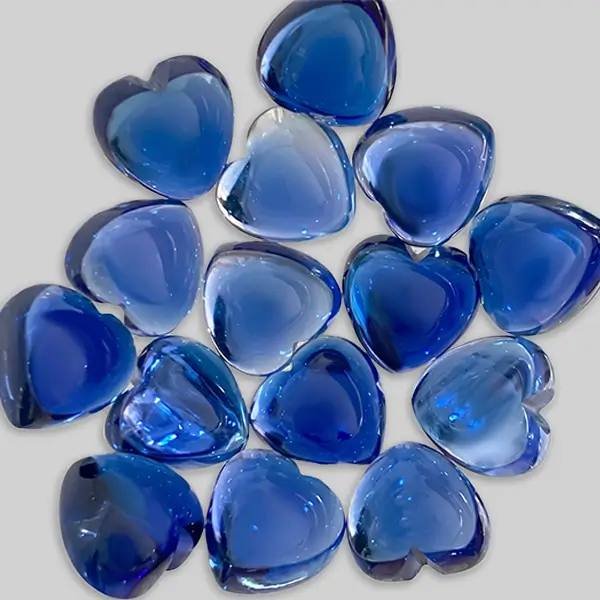
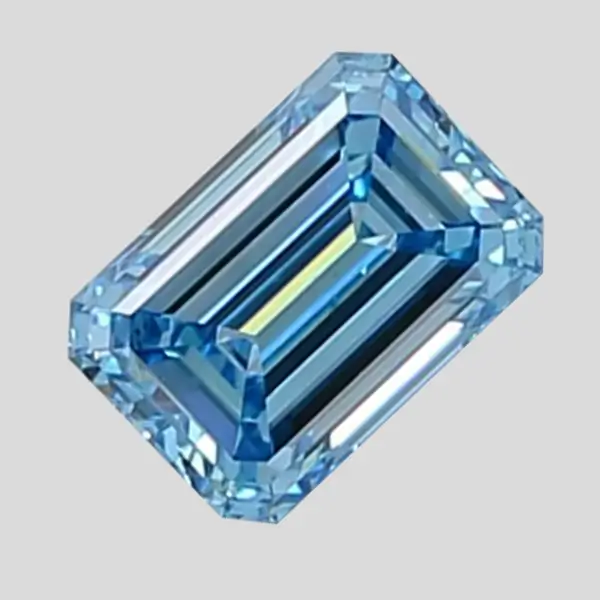
Natural blue diamonds are among the rarest and most valuable gemstones on the planet, famous for their ethereal vivid blue hue, unique Type IIb semiconductor properties, and extraordinary market scarcity. Formed over billions of years with trace boron elements embedded in deep-earth diamond crystals, natural blue diamonds often appear in top auction houses with sky-high transaction prices, making them inaccessible for ordinary jewelry consumers. With the maturity of modern lab diamond growth technology, laboratory-produced blue diamonds have perfectly solved the scarcity and high-price pain points of natural blue diamonds, achieving stable color saturation, pure crystal quality, and affordable market pricing. These man-made blue diamonds retain 100% identical chemical composition, hardness, refractive index, and brilliant light performance as natural blue diamonds, becoming the mainstream choice for high-end colored diamond jewelry, custom engagement rings, and luxury gift collections.

The unique blue tone of lab-grown blue diamonds comes from precise boron doping during crystal growth, which is the core technical secret that distinguishes blue diamonds from other colorless or fancy-color lab diamonds. Both CVD and HPHT growth processes can produce blue diamonds, but each has its own technical characteristics and color expression advantages. In the controlled laboratory growth environment, technicians quantitatively add trace boron elements into the carbon-based growth system. Boron atoms replace partial carbon atoms in the diamond crystal lattice, absorbing specific spectral light and forming a stable, layered blue color ranging from faint light blue to vivid fancy intense blue and deep royal blue. Unlike dyed fake blue gemstones, the color of lab-grown blue diamonds penetrates the entire crystal, never fades, and supports professional gemological certification, with clear color grading records from authoritative institutions such as IGI and GIA.

Behind every high-quality colored diamond product lies professional industrial production capacity and standardized quality control systems. Professional production bases focus on the precise growth of fancy-color diamond crystals, mastering mature boron doping technology and crystal defect control technology to avoid common problems such as uneven color zoning, internal clouding, and unstable hue. Standardized production lines strictly control growth temperature, gas proportion, and pressure parameters, ensuring that each batch of blue diamond crystals has consistent color grade, clarity performance, and crystal integrity, laying a solid foundation for subsequent cutting, polishing, and finished jewelry production. As a professional production base focusing on fancy-color diamond research and mass manufacturing, lab grown blue diamond factory integrates crystal growth, rough stone screening, precision cutting, and quality inspection to provide high-purity, high-color-grade blue diamond raw materials for the global jewelry market.

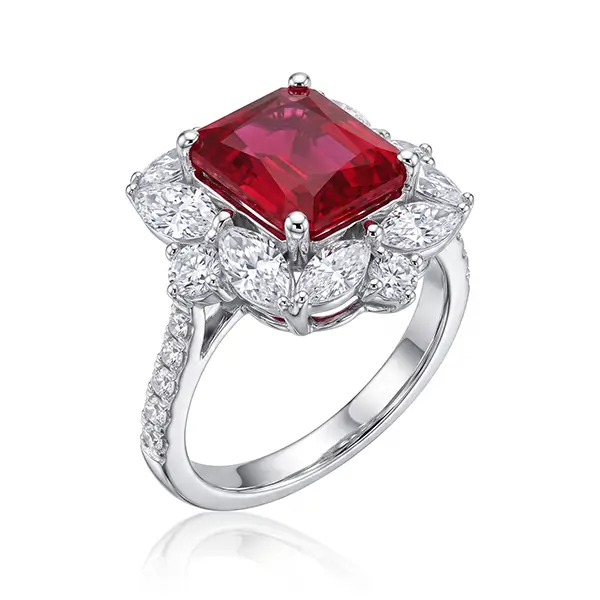
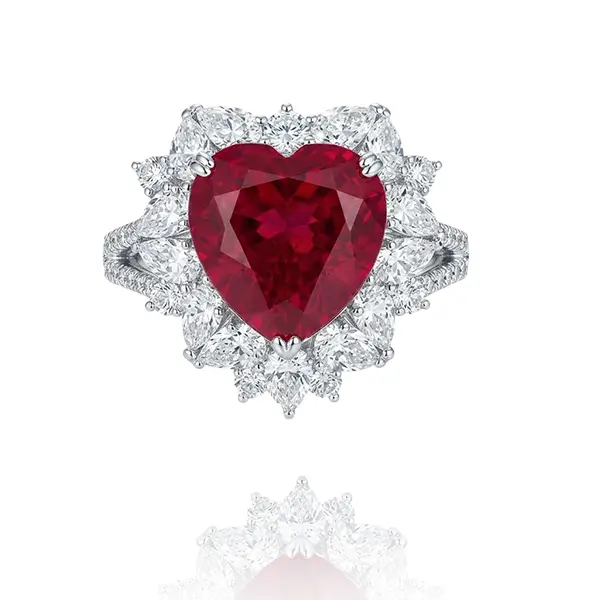
In the field of finished jewelry customization and mass production, professional manufacturing strength determines the texture and market competitiveness of final products. High-end blue diamond ring products require not only high-quality loose stone raw materials but also exquisite inlay technology, precise proportion design, and strict finished product testing procedures. Excellent manufacturers can realize personalized design from minimalist four-prong classic styles to luxurious full-pavé vintage styles, covering daily wear, proposal engagement, anniversary collection and other multi-scene applications. Focusing on high-end colored diamond finished jewelry customization and batch production, lab grown blue diamond ring manufacturer supports diversified style development, metal material selection (sterling silver, 18K gold, platinum), and exclusive brand customization, meeting the differentiated needs of retail brands, designer studios, and individual high-end customers.

Compared with other common colored gemstones such as blue sapphires and blue topaz, lab-grown blue diamonds have unparalleled sparkle advantages and unique gemological attributes. Sapphires rely on color saturation to attract attention but lack the strong fire and high refractive index of diamonds, resulting in relatively dull light performance. In contrast, lab grown blue diamonds combine vivid, noble blue tone with the iconic brilliant scintillation of diamonds. Under light irradiation, the stones present layered blue luster and rich color fire, with harder texture, stronger wear resistance, and higher collection and ornamental value. In addition, lab-grown blue diamonds feature ethical and environmentally friendly production, no mining damage, stable supply, and reasonable pricing, gradually replacing rare natural blue diamonds as the new favorite of modern luxury colored diamond jewelry.

In the high-end online jewelry retail market, colored diamond rings have always occupied a high-end niche position, favored by consumers pursuing personalized luxury and exclusive aesthetics. Formal online jewelry platforms adhere to strict stone selection standards, only selecting certified high-grade lab-grown blue diamonds with excellent cut grades, uniform color, and flawless clarity for finished ring production. With standardized craftsmanship, transparent grading parameters, and reliable after-sales guarantee systems, blue lab grown diamond rings represent premium-grade colored diamond jewelry that balances elegant design, stable quality and authoritative certification, catering to modern consumers’ demand for high-quality, traceable, and aesthetically unique luxury accessories.

In terms of market application and consumer groups, lab-grown blue diamond rings are no longer limited to high-end collection jewelry. With the continuous popularization of growth technology and the improvement of finished jewelry craftsmanship, blue diamond rings have gradually entered the fashion consumer market. Light luxury small-carat blue diamond rings are suitable for daily commuting and casual matching, while large-carat fancy intense blue diamond main stone rings are used for proposal engagement and important commemorative occasions. The diverse product gradient allows lab-grown blue diamond jewelry to cover mass fashion consumption and high-end customized collection markets, with extremely broad market development space.

From the perspective of industry development trends, fancy-color lab diamonds represented by blue diamonds are the core growth track of the future lab diamond industry. Colorless lab diamonds tend to be homogeneous in the market, while high-quality blue lab diamonds with stable color grades and reliable certification have obvious differentiated competitive advantages. Professional factories and finished jewelry manufacturers continue to optimize boron doping technology and cutting craftsmanship, continuously improving color saturation and crystal purity of blue diamonds. At the same time, the online sales system of high-end colored diamond jewelry is becoming more standardized, allowing more consumers to easily access genuine certified lab-grown blue diamond ring products.

In conclusion, lab-grown blue diamonds break the scarcity barrier of natural blue diamonds, realizing the perfect integration of rare blue tone, diamond brilliance, ethical production and affordable price. Professional factories ensure the crystal quality of loose blue diamonds, professional ring manufacturers create exquisite high-end finished jewelry, and standardized online sales channels provide consumers with reliable purchasing options. For jewelry retailers and individual consumers who pursue differentiated luxury and high-cost performance, certified lab-grown blue diamond rings are both fashionable wearable accessories and valuable collection pieces, representing the future development trend of high-end colored diamond jewelry.